
Water Heater Repair & Replacement FAQs — Hallettsville Plumbers
Answers to the most common water heater repair and replacement questions from Hallettsville homeowners. Learn how long water heaters last in Texas, what replacement costs in Lavaca County, whether tankless is worth it, and more — from Hallettsville Plumbing (MPL #36673).
Emergency Plumbing FAQs for Hallettsville & Lavaca County
Plumbing emergencies don’t wait for business hours — and neither do we. Hallettsville Plumbing has served homeowners across Lavaca County for over 25 years, and we know that when a pipe bursts or a drain backs up at midnight, you need fast answers and faster service. Below, we’ve answered the most common questions we hear from Hallettsville, Shiner, Yoakum, and Moulton homeowners during plumbing crises. What counts as a plumbing emergency? A plumbing emergency is any situation that poses an immediate risk of water damage, sewage exposure, or loss of essential water service. This includes burst or frozen pipes, active flooding from a broken fixture, sewage backing up into your home, a completely non-functional water heater in cold weather, a ruptured supply line under a sink or toilet, or a gas-line-adjacent leak. If water is actively flowing where it shouldn’t be — or if your home has no water at all — call us immediately. When in doubt, it’s always safer to call than to wait. How quickly can you reach my home in Hallettsville for a plumbing emergency? For homeowners in Hallettsville, our typical emergency response time is 30–60 minutes, depending on traffic and time of day. We’re locally based in Lavaca County, which means we’re not dispatching from San Antonio or Houston — we’re right here. For outlying service areas like Shiner, Yoakum, Moulton, and other Lavaca County communities, response times are typically 45–75 minutes. When you call, our dispatcher will give you a realistic arrival window so you’re not left guessing. Call us at 361-210-8001 any time. Do you charge extra for after-hours or weekend emergency calls? Emergency plumbing calls outside of standard business hours (Monday–Friday, 7:30 a.m.–6:00 p.m.) may include an after-hours service fee, which varies based on the time and day of the call. We always provide upfront pricing before any work begins — you’ll know the cost before we start, with no surprise charges on your invoice. We believe transparency about pricing is part of the service, especially during an already stressful situation. Evening, weekend, and holiday calls are common for us, and we’re equipped to handle them without cutting corners. What should I do while waiting for the emergency plumber to arrive? The most important step is to shut off the water supply as quickly as possible to minimize damage. For a localized leak — like a broken toilet supply line — turn the shut-off valve behind or beneath the fixture clockwise until it stops. For a major burst pipe or if you can’t locate the source, shut off your home’s main water valve (usually near the water meter or where the main line enters the house). Once water is off, mop up standing water to prevent floor and wall damage, move valuables out of the affected area, and take photos for your insurance records. Do not use electrical outlets or switches in flooded areas. Then call us at 361-210-8001 and stay on the line if you need guidance. Are you licensed to perform emergency plumbing work in Texas? Yes. Hallettsville Plumbing holds Texas Master Plumber License MPL #36673. All emergency work — whether it’s a pipe repair at 2 a.m. or a same-day water heater replacement — is performed by licensed, insured plumbers under that license. We are also a member of PHCC (Plumbing-Heating-Cooling Contractors Association), which requires adherence to a professional code of conduct. When you call us for an emergency, you can trust that the technician arriving at your door is qualified, background-checked, and operating legally under Texas state licensing requirements. Do you serve Shiner, Yoakum, and Moulton for plumbing emergencies? Yes — we provide emergency plumbing service throughout Lavaca County, including Shiner, Yoakum, Moulton, Hallettsville, Edna, Cuero, and surrounding communities. We understand that homeowners outside of Hallettsville sometimes struggle to find a licensed local plumber who will actually show up after hours. That’s exactly why we built our service area to cover the entire county. Whether you’re in a farmhouse outside Moulton or a neighborhood in Yoakum, we will come to you. Call 361-210-8001 and let us know your location — we’ll give you an honest ETA. Can a plumbing emergency cause permanent damage if I wait too long? Absolutely — and the damage compounds quickly. A burst pipe can release hundreds of gallons per hour, saturating walls, subfloor, and insulation within minutes. Within 24–48 hours, that moisture becomes a mold problem that can cost thousands of dollars to remediate. Sewage backups create biohazard contamination that requires professional cleanup beyond basic plumbing work. A water heater that’s leaking internally can corrode surrounding framing and drywall before you even notice the signs. The cost of a middle-of-the-night emergency call is almost always far less than the water damage, mold remediation, and structural repairs that follow a delayed response. Call us the moment you notice the problem. What information should I have ready when I call for emergency plumbing service? When you call Hallettsville Plumbing at 361-210-8001, it helps to have the following ready: your full address (including city or rural route number for Lavaca County locations), a brief description of the problem and when it started, whether the water is currently off or still running, and whether the issue involves a gas line or water heater (which affects our response approach). If you know your home’s age or plumbing type (galvanized, copper, PEX), that’s helpful but not required. The more context you can provide, the better prepared our technician will be when they arrive — which means faster resolution for you. Need Help? Contact Hallettsville Plumbing When a plumbing emergency strikes, don’t wait. Hallettsville Plumbing is available 24/7 for emergency calls across Hallettsville, Shiner, Yoakum, Moulton, and all of Lavaca County. Call us now at 361-210-8001 — our licensed plumbers (MPL #36673) are ready to respond. You can also reach us online for non-emergency scheduling.
5 Warning Signs of a Hidden Plumbing Leak (And What Yoakum Homeowners Should Do)
A hidden plumbing leak can quietly cause thousands of dollars in damage long before you ever notice a wet spot on the floor. Walls rot. Mold spreads. Foundations shift. And by the time the problem becomes obvious, the repair bill is far larger than it needed to be. If you own a home in Yoakum, TX — or anywhere in Lavaca County — knowing the early warning signs of a hidden leak can save you money, protect your property, and give you peace of mind. Here are five red flags every Yoakum homeowner should know, plus the one DIY test you can do right now with your water meter. 1. Your Water Bill Spikes Without Explanation One of the most reliable early indicators of a hidden leak is an unexplained jump in your monthly water bill. If your household habits haven’t changed — no new appliances, no extra guests, no more lawn watering than usual — but your bill suddenly climbs $30, $50, or more, water is going somewhere it shouldn’t be. Hidden leaks in supply lines, under slabs, or inside walls can waste hundreds of gallons per day without producing a single visible drip. According to the EPA, a household leak can waste nearly 10,000 gallons of water per year — the equivalent of 270 loads of laundry. What to do: Pull out your last three water bills and compare them month over month. If you see a consistent upward trend with no clear cause, it’s time to investigate further. Don’t wait for the bill to come back down on its own — it won’t. 2. You Smell Mold or Mildew but Can’t Find the Source That musty, earthy odor you’re noticing in a particular room — especially in a bathroom, laundry area, or near an exterior wall — is often the smell of mold growing in a hidden, damp space. Mold can establish itself within 24 to 48 hours of water exposure, and it thrives inside wall cavities where moisture lingers unseen. In Yoakum’s warm and humid summers, a slow drip behind a wall doesn’t just stay wet — it becomes a breeding ground. Many homeowners assume the smell is coming from a drain or a dirty area and clean everything in sight, only to have the odor return a few days later. That’s a strong sign the moisture source is structural, not surface-level. What to do: Trust your nose. If the smell keeps coming back to the same area after cleaning, don’t ignore it. Turn off any exhaust fans and sniff the wall directly. Check the baseboard for soft spots or slight discoloration. These are signs that moisture has been present for a while. 3. You Find Soft Spots, Staining, or Warping in Walls or Floors Drywall, hardwood, and laminate flooring are not forgiving when it comes to moisture. Even a slow, low-pressure leak inside a wall can create enough moisture over weeks or months to cause visible damage — bubbling paint, soft or spongy drywall, buckled floorboards, or water stains that creep in from the edges of a room. Pay close attention to areas near plumbing fixtures: under kitchen and bathroom sinks, around toilets, near washing machine hookups, and along walls that share a bathroom. Press lightly on drywall near these areas. If it gives under gentle pressure instead of feeling firm, water damage has already begun. Flooring that feels springy underfoot — especially near a bathroom or laundry room — often means the subfloor has absorbed moisture from a leak below. This kind of damage compounds quickly once it starts. What to do: Document any stains, soft spots, or warping with photos and note when you first noticed them. This information is valuable for a plumber diagnosing the source and for any insurance claims you may need to file later. 4. You Hear Running Water When Everything Is Off It’s late at night. The house is quiet. Everyone is in bed, no faucets are running, the dishwasher is off, the washing machine is idle — and yet you hear the faint sound of water moving through your pipes. That sound is a problem. Functioning plumbing systems are essentially silent when no fixtures are in use. If water is audibly moving through your walls or floors during quiet hours, it means pressure is escaping somewhere along your supply lines. A pinhole leak in a copper pipe, a failing joint behind drywall, or a cracked fitting under your slab can all produce this telltale sound. What to do: Try the water meter test (described below). Also walk the perimeter of your home and check whether the ground near your foundation or along the main water line from the street is unusually soggy or green compared to surrounding areas. A line leak underground will often produce a long, lush strip of grass even during dry weather. 5. You Notice Cracks in Your Foundation or Walls This one surprises many homeowners: plumbing leaks can cause foundation problems. When water escapes from a slab leak — a break in the pipes running beneath your concrete foundation — it saturates the soil unevenly. As the soil expands with moisture in some areas and remains dry in others, the foundation shifts. That movement translates into cracks in your exterior walls, interior drywall, door frames that suddenly stick or won’t latch, and floors that feel uneven. In Lavaca County’s clay-heavy soils, this effect is amplified. Clay soil expands dramatically when wet and contracts when dry. A slab leak in a Yoakum home can accelerate foundation movement that would otherwise take decades to develop. What to do: If you notice new cracks appearing — especially diagonal cracks running from the corners of windows and doors — don’t assume it’s just normal settling. Have a licensed plumber evaluate your slab before calling a foundation company. If the crack is caused by an active slab leak, fixing the foundation without fixing the plumbing first will only result in the problem returning. The DIY Water Meter
Water Leak Detection: Protecting Your Hallettsville Home
Water Leak Detection: Protecting Your Hallettsville Home Hidden water leaks cost Hallettsville homeowners thousands of dollars in damage every year, and many leaks go undetected for months. Water leak detection in Hallettsville is critical because even a small, slow leak behind a wall or under a slab can lead to structural damage, mold growth, and sky-high water bills. The sooner you find a leak, the less it costs to fix and the less damage it does to your home. The average American household wastes nearly 10,000 gallons of water annually from leaks according to the EPA. In a small community like Hallettsville, that wasted water matters. This guide teaches you how to spot hidden leaks, test your system, and know when to bring in a professional with specialized detection equipment. Warning Signs of Hidden Water Leaks Most water leaks announce themselves through indirect clues long before you see actual water. Learning to recognize these signs catches leaks early when repairs are still affordable and damage is minimal. Unexplained High Water Bills A sudden spike in your water bill without any change in usage patterns strongly suggests a hidden leak. Compare your current bill to the same month in previous years. If consumption increased by more than 15 to 20 percent without explanation, you likely have a leak somewhere in your plumbing system. Even a slow drip from a pinhole pipe leak adds thousands of gallons to your annual water use. Visible Moisture and Staining Water stains on ceilings, walls, and floors indicate a leak above or behind the stained area. Bulging or bubbling paint and wallpaper signals moisture trapped behind the surface. Dark spots on drywall, warped baseboards, and unexplained damp areas on carpet all point to water escaping from pipes within your walls or under your floors. Mold and Musty Odors Persistent musty smells in specific areas of your home often indicate moisture from a hidden leak feeding mold growth. Visible mold in places that should be dry, like bedroom closets or hallway walls, typically traces back to a leaking pipe behind the wall. Mold growth from leaks poses health risks for everyone in the home, especially those with respiratory conditions. Sound of Running Water If you hear water running when all fixtures are turned off, a pipe is leaking somewhere. Stand in a quiet room and listen carefully near walls and floors. The sound of running or dripping water when nothing is in use is one of the most definitive signs of a hidden leak in your Hallettsville home. How to Test for Leaks Yourself Before calling a plumber, a simple meter test can confirm whether you have a leak and roughly how serious it is. The Water Meter Test Turn off every water-using fixture and appliance in your home including ice makers, sprinkler systems, and washing machines. Read your water meter and write down the number. Wait two hours without using any water. Read the meter again. If the number changed, water is flowing somewhere it should not be. A significant change indicates a major leak that needs immediate attention. Check Common Leak Locations Before assuming the worst, inspect the most common leak sources throughout your home. Many leaks hide in plain sight once you know where to look. Toilets: Add food coloring to the tank. If color appears in the bowl within fifteen minutes without flushing, the flapper is leaking. Under sinks: Open every cabinet and check for dampness, water stains, or warped wood around pipe connections. Water heater: Look for puddles, rust stains, and corrosion around the base and pipe fittings. Outdoor spigots: Turn on each hose bib and check for drips at the handle and where the spigot meets the wall. Washing machine hoses: Inspect supply hoses for bulges, cracks, or drips at the connections. Professional Leak Detection Technology When you know there is a leak but cannot find it, professional leak detection service uses technology that locates leaks without tearing open walls and floors. Acoustic Leak Detection Specialized listening devices amplify the sound of water escaping from pipes. Trained technicians place sensors along pipe routes and listen for the distinct sound signature of a leak. This method pinpoints leaks inside walls, under concrete slabs, and underground with remarkable accuracy, saving homeowners from unnecessary demolition during the search process. Thermal Imaging Infrared cameras detect temperature differences in walls and floors caused by moisture from leaking pipes. Wet areas appear as distinct color variations on the thermal image, revealing leaks behind surfaces that look perfectly normal to the naked eye. Thermal imaging works especially well for slab leaks and in-wall leaks where acoustic methods have limited access. Slab Leak Detection Slab leaks occur in the pipes running through or beneath your home’s concrete foundation. These are particularly common in older Hallettsville homes and can cause foundation damage if left unrepaired. Professional plumbers use a combination of acoustic equipment, pressure testing, and sometimes video inspection to locate slab leaks precisely before recommending the least invasive repair method. Preventing Future Water Leaks Prevention costs far less than repair. Simple maintenance habits protect your Hallettsville home from the damage and expense of undetected leaks. Regular Plumbing Inspections Schedule annual plumbing inspections that include checking water pressure, inspecting visible pipes for corrosion, testing shut-off valves, and examining appliance connections. A professional eye catches early signs of wear that homeowners often miss. Preventive inspections typically cost a fraction of the emergency repair they help you avoid. Monitor Your Water Pressure High water pressure stresses pipes, joints, and appliance connections. Most homes should maintain water pressure between 40 and 80 psi. A pressure gauge from the hardware store attaches to any hose bib and gives you an instant reading. If your pressure exceeds 80 psi, a pressure-reducing valve protects your entire plumbing system from premature failure. Frequently Asked Questions How do I know if I have a slab leak in my Hallettsville home? Common signs of a slab leak include warm spots on the floor, the sound of running water
Water Heater Repair vs. Replacement: How Shiner Homeowners Can Decide
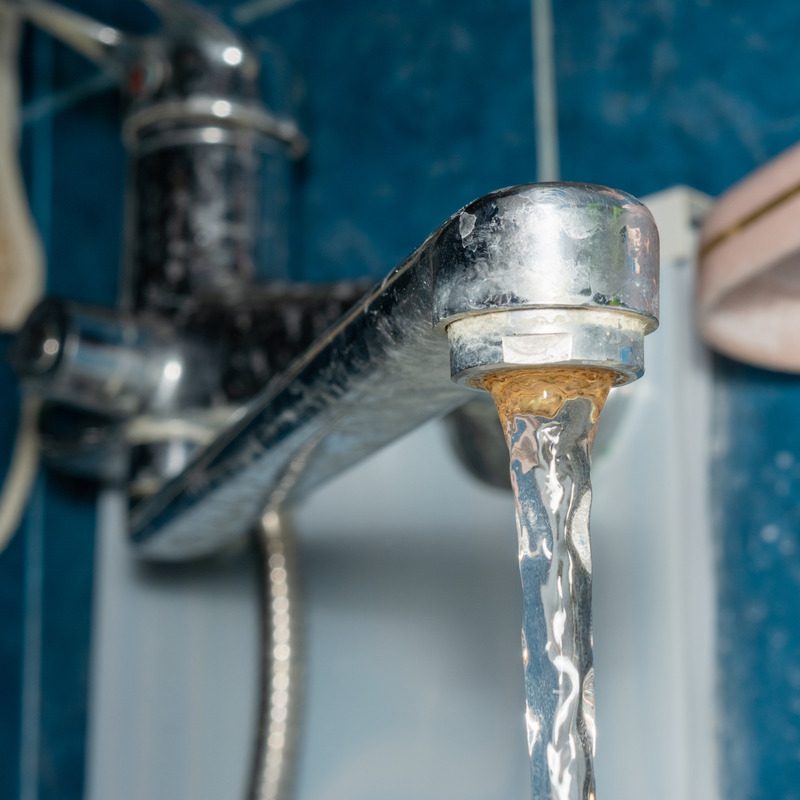
Your water heater stops working on a Tuesday morning. No hot shower, no hot water for dishes, and a puddle forming near the unit. Now you face a decision that confuses a lot of homeowners in Shiner: do you repair it and move on, or is it finally time to replace the whole thing? It’s not always an obvious call. The right answer depends on the age of your unit, the nature of the problem, your energy costs, and your long-term plans for the home. This guide walks Shiner homeowners through the key factors — so you can make a confident decision before the plumber even arrives. How Old Is Your Water Heater? Age is the single most important factor in the repair-vs.-replace decision. Standard tank water heaters are built to last 8 to 12 years under normal use. If your unit is within that window and the problem is minor — a bad thermostat, a failed heating element, a corroded anode rod — repair almost always makes financial sense. Once you’re past the 10-year mark, the math shifts. Older units are less energy-efficient than modern models, replacement parts are harder to source, and you’re statistically closer to a major failure. If your water heater is 12 or more years old and something goes wrong, replacement is usually the smarter investment — even if the immediate repair seems affordable. Not sure how old your unit is? Check the serial number on the label near the top of the tank. Most manufacturers encode the manufacture date in the first few characters. A licensed plumber can decode it for you in seconds. The $500 Rule: A Simple Cost Guideline A widely used rule of thumb in the plumbing industry: multiply the age of the unit by the estimated repair cost. If the result is greater than $500, lean toward replacement. If it’s under $500, repair is likely worth it. For example, if your 9-year-old water heater needs a $75 thermostat replacement, that’s 9 × $75 = $675 — close enough to consider repair. But if a 10-year-old unit needs a new heating element plus a corroded inlet valve, and the combined repair quote is $350, that’s 10 × $350 = $3,500. Replacement wins by a landslide. This isn’t a hard rule, but it’s a useful starting point when you’re trying to make a quick decision under pressure. Warning Signs That Point to Replacement Some problems are red flags that a repair won’t solve for long. If you’re seeing any of the following in your Shiner home, it’s time to seriously consider a new unit: Rusty or Discolored Hot Water When hot water runs reddish-brown from your taps, it often means the interior of the tank is corroding. Tank corrosion is a structural problem — once it starts, it progresses. A temporary repair won’t stop the rust, and a leaking corroded tank can cause serious water damage. Replacement is the only real fix. Rumbling, Popping, or Banging Noises Sediment buildup on the bottom of the tank causes these sounds. As mineral-rich water (common throughout Lavaca County) heats and reheats, calcium and magnesium deposits accumulate. Eventually the sediment hardens, reduces efficiency, and forces the heating elements to work harder. Flushing the tank helps when caught early — but in an older unit, heavy sediment buildup signals it’s time for a new water heater. Visible Leaks Around the Tank Small drips from fittings and connections are often repairable. But if you see water pooling at the base of the tank itself, that’s a sign of internal tank failure. A cracked or corroded tank cannot be reliably repaired — it must be replaced before a full rupture causes flooding in your home. Inconsistent or Insufficient Hot Water If you’re constantly running out of hot water or the temperature swings unpredictably, the unit may simply be undersized for your household’s current demand — or it may be failing. Either way, a new properly-sized water heater solves the problem more reliably than chasing repairs. When Repair Is the Right Call Not every water heater problem warrants replacement. If your unit is under 8 years old and you’re dealing with one of the following issues, a qualified repair is typically the smart move: Faulty thermostat — Water that’s too hot, too cold, or inconsistent is often just a thermostat issue. Quick and affordable to fix. Failed heating element (electric units) — Elements wear out over time and are straightforward to replace on a unit that’s otherwise in good shape. Pilot light or ignition issues (gas units) — If the burner isn’t lighting reliably, the problem may be a faulty thermocouple or igniter — both inexpensive fixes. Pressure relief valve replacement — The T&P valve is a safety component that wears out and should be replaced periodically. This is not a sign of tank failure. Minor connection leaks — Leaks at the inlet/outlet connections or at fittings can often be tightened or resealed without replacing the tank. Tank vs. Tankless: Is Shiner a Good Fit for Tankless? If you’re already replacing your water heater, it’s worth considering whether a tankless (on-demand) water heater makes sense for your home. Here’s how the two compare for homeowners in the Shiner area: Traditional Tank Water Heaters Tank units store 40–80 gallons of pre-heated water, ready whenever you need it. They cost less upfront — typically $600–$1,200 installed — and are straightforward to service. The downside: they heat water continuously even when no one is using it, which wastes energy around the clock. Tankless Water Heaters Tankless units heat water only when you turn on the tap. They never run out of hot water (within their flow rate capacity), they last significantly longer — often 20 years or more — and they reduce energy consumption by 24–34% compared to traditional tanks according to the U.S. Department of Energy. The tradeoff is higher upfront cost: expect $1,500–$3,000+ installed, depending on the unit and your home’s gas or electrical setup. For many Shiner households, especially
Hard Water in Lavaca County: Why Your Pipes Are Paying the Price
If you live in Hallettsville or anywhere in Lavaca County, there’s a good chance your water is working against you — even if it looks perfectly clear coming out of the tap. Hard water is one of the most common and most overlooked plumbing problems in the region, and over time it quietly damages your pipes, appliances, water heater, and even your skin and hair. The good news: a whole-home water filtration system solves the problem at the source. The licensed plumbers at Hallettsville Plumbing have helped homeowners across Lavaca County protect their plumbing investment with the right water treatment solutions. Here’s everything you need to know about hard water — and why acting now saves you money later. What Is Hard Water? Hard water is simply water with a high concentration of dissolved minerals — primarily calcium and magnesium. These minerals are picked up naturally as groundwater moves through limestone and chalk deposits in the soil. They’re not dangerous to drink, but they’re relentless when it comes to your plumbing and appliances. Water hardness is measured in grains per gallon (GPG) or milligrams per liter (mg/L). Anything above 7 GPG is considered “hard.” Most of Texas — including Lavaca County — sits well above that threshold. In fact, Texas consistently ranks among the states with the hardest water in the country, with many areas registering between 15 and 25 GPG. That’s more than double the “hard” cutoff. Why is Lavaca County particularly affected? The underlying geology of South Central Texas is rich in limestone, and much of the region’s drinking water comes from groundwater sources that pass through these mineral-dense formations before reaching your tap. The result is some of the most mineral-heavy water in the state. Signs You Have a Hard Water Problem Hard water leaves behind evidence everywhere. Once you know what to look for, you’ll start noticing it throughout your home. Scale Buildup on Fixtures and Appliances That chalky white or yellowish crust around your faucets, showerheads, and sink drains? That’s limescale — the mineral residue left behind when hard water evaporates. It’s not just ugly. Over time, limescale builds up inside your pipes, restricting water flow. In severe cases, it can completely clog pipes or damage the internal components of appliances. Appliances Wearing Out Too Fast Dishwashers, washing machines, and especially water heaters take a serious beating from hard water. The heating elements in these appliances accumulate scale deposits that force them to work harder to do the same job. A water heater that should last 10–15 years might fail in 6–8 years in a hard water environment — and the same goes for your dishwasher and washing machine. That’s thousands of dollars in premature replacement costs that can often be avoided. Spots on Dishes and Glassware If your dishes come out of the dishwasher with white spots or your glassware looks cloudy even when clean, hard water is usually the culprit. The minerals in the water cling to surfaces during the drying cycle, leaving behind visible deposits. Dry Skin and Dull, Brittle Hair Hard water doesn’t just affect your plumbing — it affects you. Calcium and magnesium ions interfere with soap and shampoo, preventing them from lathering properly. This leaves a residue on your skin that clogs pores and strips away natural oils, leading to dryness and irritation. Hair washed repeatedly in hard water tends to feel rough, look dull, and become brittle over time. Soap That Won’t Lather Have you noticed that you need to use more soap, shampoo, or laundry detergent than the label recommends? That’s a classic sign of hard water. The minerals bind with soap molecules and reduce their effectiveness, so you end up using more product — and spending more money — to get the same result. Stiff, Scratchy Laundry Mineral deposits left in fabric fibers after washing in hard water can make towels, sheets, and clothing feel rough and scratchy. Colors may also fade faster. If your laundry never quite feels clean or soft, your water may be to blame. What Hard Water Does to Your Plumbing — and Your Water Heater The most expensive damage hard water causes happens where you can’t see it: inside your pipes and inside your water heater. Calcium and magnesium deposits build up gradually on the inside of supply lines and fittings. In homes with older galvanized or copper pipes, this buildup can accelerate corrosion and lead to leaks that are both costly and disruptive to repair. In newer homes with PEX or PVC piping, scale buildup reduces pipe diameter over time, lowering water pressure throughout the house. Your water heater is even more vulnerable. Sediment from hard water settles at the bottom of a tank-style water heater and hardens into a thick layer of scale. This forces the heating element to work through the insulating layer of sediment to heat the water above it — driving up your energy bills and dramatically shortening the heater’s lifespan. You may notice rumbling or popping sounds coming from your water heater; that’s the sound of water bubbling through the sediment layer, and it’s a warning sign that hard water damage is already underway. If you’re already dealing with water heater issues, our team can help — but pairing repairs or replacement with a water filtration system is the only way to stop the cycle from repeating. How a Whole-Home Water Filtration System Solves the Problem A whole-home water filtration system — sometimes called a water softener or water conditioner — treats your water at the point it enters your home, so every tap, appliance, and shower delivers soft, clean water. The most common type is a salt-based ion exchange water softener, which replaces the calcium and magnesium ions in your water with sodium ions. The result is water that won’t leave scale deposits, lathers easily with soap, and is far gentler on your plumbing and appliances. For homeowners who prefer a salt-free option, template-assisted crystallization (TAC) systems are available that neutralize mineral deposits
How to Handle a Plumbing Emergency: A Step-by-Step Guide for Hallettsville Homeowners
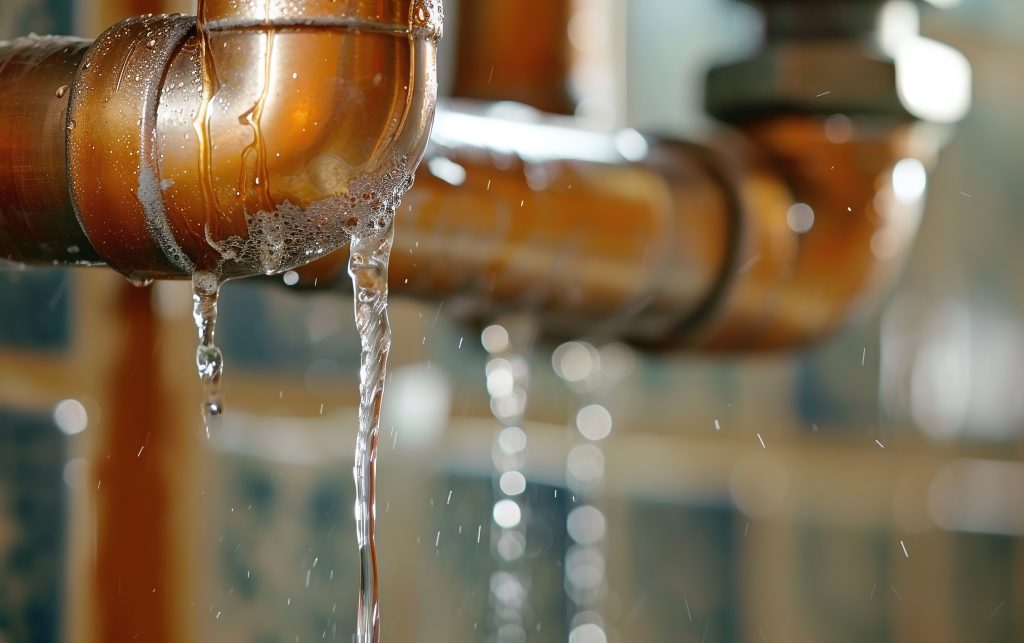
A burst pipe at 2 a.m. A water heater leaking across the utility room floor. A toilet overflowing with no sign of stopping. When a plumbing emergency strikes, every minute counts — and knowing exactly what to do before your plumber arrives can mean the difference between a manageable repair and thousands of dollars in water damage. At Hallettsville Plumbing, we’ve responded to plumbing emergencies across Hallettsville and Lavaca County for more than 25 years. In that time, we’ve seen how fast, informed action by homeowners significantly reduces damage and repair costs. This guide walks you through exactly what to do — step by step — the moment a plumbing emergency hits your home. What Counts as a Plumbing Emergency? Not every plumbing problem is an emergency — but some absolutely are. Here’s how to tell the difference: Emergencies that require an immediate call to an emergency plumber in Hallettsville, TX: Burst or ruptured pipes with active water flow Sewage backing up into your home Water heater failure with flooding or gas smell No water supply to your entire house Visible water seeping through walls, ceilings, or floors A toilet that won’t stop overflowing despite shutting off the supply valve A gas line leak near your water heater or appliances Non-emergencies that can wait for a scheduled appointment: A slow-draining sink or tub Minor dripping faucet Running toilet (unless flooding) Low water pressure without a visible cause When in doubt, it’s always safer to call. A trained plumber can quickly assess whether your situation needs immediate attention or can wait. Step 1: Shut Off the Water — Immediately This is the single most important action you can take. Water damage compounds fast: just one inch of standing water can cause significant structural damage and create mold conditions within 24 to 48 hours. For a localized problem (like a toilet overflow or a leaking supply line under a sink), look for the individual shut-off valve — usually a small oval handle located on the wall behind the toilet or under the sink. Turn it clockwise until the water stops. For a major leak or burst pipe, go straight to your main water shut-off valve. In most Hallettsville homes, this is located: Near the front of the house, close to the water meter In the utility room or near the water heater Outside near the foundation, sometimes in a ground-level box Know where this valve is before an emergency. If you’ve never located it, take five minutes right now to find it and make sure every adult in your household knows where it is too. Step 2: Turn Off Your Water Heater Once the main water supply is off, turn off your water heater. Continuing to run a water heater without incoming water can cause the tank to overheat and potentially rupture — turning one emergency into two. Gas water heater: Turn the thermostat dial to the “Pilot” or “Off” setting. Electric water heater: Go to your circuit breaker and flip the breaker labeled “Water Heater” to the off position. If you smell gas at any point, do not attempt to operate any switches or appliances. Leave the house immediately and call your gas provider and 911. Step 3: Address Small Flooding Immediately While waiting for your emergency plumber to arrive, do what you safely can to limit water spread and damage: Use towels, mops, or a wet/dry vacuum to remove standing water from floors. Move rugs, furniture, and valuable items out of the wet area. Place towels or buckets under active drips if the leak is still minor. Open windows to increase air circulation and reduce humidity, especially in summer. Turn on fans if available — the faster surfaces dry, the lower the mold risk. Do not use standard household vacuums to remove water, and do not run electrical appliances near standing water. Safety always comes first. Step 4: Document the Damage for Insurance Before cleanup goes too far, take photos and video of the damage. Capture: The source of the leak or burst pipe Affected flooring, walls, and ceilings Any damaged personal property Water stains or standing water depth This documentation can be critical when filing a homeowner’s insurance claim. Most policies cover sudden and accidental water damage — but they require evidence of the event’s cause and extent. Step 5: Call a Licensed Local Emergency Plumber Once the immediate situation is controlled, call your plumber. And here’s why calling a local, licensed emergency plumber in Hallettsville, TX matters more than you might think. Why Local Response Time Matters in Lavaca County National plumbing chains and directory services may look convenient online, but they often dispatch subcontractors who can be 60–90 minutes away. In a plumbing emergency in Hallettsville or surrounding communities like Shiner, Yoakum, or Moulton, that delay can mean tens of thousands of dollars in additional water damage. A locally based plumber knows Lavaca County — the common pipe configurations, the water pressure quirks, the soil conditions, and the neighborhoods. They can often arrive faster, diagnose quicker, and repair correctly the first time. What to Tell Your Plumber When You Call When you call for emergency plumbing in Hallettsville, have this information ready: Your full address, including any gate codes or access notes What you’re seeing (burst pipe, flooding, sewage backup, etc.) Whether you’ve shut off the main water supply How long the problem has been occurring Whether there’s any gas smell or electrical hazard The more information you provide upfront, the better equipped the plumber will be when they arrive — and the faster the repair can begin. Common Plumbing Emergencies in Hallettsville Homes Burst Pipes While hard freezes are less common in South Texas than in northern parts of the state, Lavaca County does see occasional winter cold snaps that can freeze exposed pipes — particularly in older homes with insufficient insulation in crawl spaces or exterior walls. A burst pipe can release hundreds of gallons of water within an hour. Water Heater Failure A
Complete Toilet Repair Guide for Hallettsville Homeowners
Complete Toilet Repair Guide for Hallettsville Homeowners A malfunctioning toilet is more than an inconvenience. It wastes water, drives up utility bills, and can cause water damage if left unaddressed. Toilet repair in Hallettsville ranks among the top reasons homeowners call a plumber, yet many common toilet problems have straightforward fixes that save both time and money. Whether your toilet runs constantly, flushes weakly, or leaks at the base, understanding the cause helps you decide between a quick DIY fix and a professional repair call. Hallettsville homeowners deal with the same toilet issues that plague homes everywhere, but the local hard water conditions can accelerate certain problems. This guide covers the most frequent toilet failures, what causes them, and exactly how to respond. Running Toilet: The Silent Water Waster A running toilet can waste up to 200 gallons of water per day, making it one of the most expensive plumbing problems to ignore. If you hear water flowing long after the flush or notice the toilet cycling on and off by itself, you have a running toilet that needs attention. Flapper Valve Failure The flapper is a rubber seal at the bottom of the tank that lifts when you flush and closes to let the tank refill. Over time, flappers warp, crack, or develop mineral buildup that prevents a tight seal. Water slowly leaks from the tank into the bowl, triggering the fill valve to run periodically. Replacing a flapper costs a few dollars and takes five minutes. Turn off the water supply, flush to empty the tank, unhook the old flapper, and snap the new one in place. This single fix resolves the majority of running toilet problems. Fill Valve Problems If replacing the flapper does not stop the running, the fill valve may be faulty. A fill valve that does not shut off properly allows water to continuously flow into the tank and down the overflow tube. Adjusting the float level may fix the issue temporarily, but a worn fill valve should be replaced entirely. Universal fill valves fit most toilets and cost under twenty dollars at any hardware store. Overflow Tube Issues Water should sit about one inch below the top of the overflow tube. If the water level is too high, it continuously spills into the tube and drains into the bowl. Adjusting the float mechanism lowers the water level. If the overflow tube itself is cracked or damaged, the entire flush valve assembly needs replacement, which is a more involved repair best handled by a professional. Weak Flush and Incomplete Flushing A toilet that does not flush with enough force to clear the bowl creates frustration and hygiene concerns. Weak flushing in Hallettsville homes often relates to mineral buildup from the local water supply, but several other factors play a role. Clogged Rim Jets The small holes under the toilet rim direct water into the bowl during a flush. Hard water deposits gradually block these jets, reducing flush power. Clean them with a stiff brush and white vinegar. For heavy buildup, soak paper towels in vinegar and press them under the rim overnight, then scrub the jets clear in the morning. Cleaning rim jets every few months maintains strong flush performance. Low Water Level in the Tank The tank needs to fill to the manufacturer’s marked water line for a full-power flush. If the water level sits too low, there is not enough volume to create adequate flushing force. Adjust the float to raise the water level. If the tank will not fill to the proper level, check for a partially closed supply valve or a malfunctioning fill valve. Partial Clogs in the Trap A toilet that flushes slowly but still clears eventually may have a partial clog in the internal trap. A standard plunger often clears these blockages. For stubborn partial clogs, a toilet auger reaches deeper into the trap and drain pipe to break up or retrieve the obstruction without damaging the porcelain. Leaking Toilet Base Water pooling around the base of your toilet signals a problem that demands prompt attention. A base leak can damage flooring, subfloor, and even the ceiling below if your bathroom is on an upper floor. Failed Wax Ring The wax ring creates a watertight seal between the toilet base and the drain flange in the floor. When this ring fails, water seeps out around the bottom of the toilet with every flush. Replacing a wax ring requires removing the entire toilet, scraping off the old wax, setting a new ring, and reinstalling the toilet with proper alignment. While this is technically a DIY job, the weight of the toilet and the importance of a proper seal make it a repair many homeowners prefer to leave to a professional. Loose Mounting Bolts Sometimes a base leak results from loose bolts rather than a failed wax ring. The two bolts that secure the toilet to the floor flange can loosen over time, breaking the seal. Carefully tighten the bolts a quarter turn at a time, alternating sides. Over-tightening cracks the porcelain, so proceed with caution. If tightening the bolts stops the leak, you have avoided a much bigger repair. Phantom Flushing and Strange Noises If your toilet seems to flush on its own or makes unusual sounds, the cause is usually a slow leak from the tank to the bowl. The tank water level drops until the fill valve activates to refill it, creating the sound of a phantom flush. The fix is typically a new flapper or flush valve seal. Phantom flushing wastes significant water over time, so address it promptly even though it seems like a minor annoyance. Frequently Asked Questions How much water does a running toilet waste? A running toilet can waste between 30 and 200 gallons per day depending on the severity of the leak. That adds up to thousands of gallons per month and a noticeable increase on your water bill. Fixing a running toilet is one of the fastest ways to
Garbage Disposal Repair and Replacement in Hallettsville
Garbage Disposal Repair and Replacement in Hallettsville A garbage disposal that stops working brings your kitchen routine to a halt. Garbage disposal repair in Hallettsville is one of the most common service calls local plumbers receive, especially after holidays and large family meals when disposals get pushed beyond their limits. Before you call for service or rush out to buy a new unit, understanding the problem can save you time and money. This guide walks Hallettsville homeowners through the most common garbage disposal failures, step-by-step troubleshooting you can try yourself, and clear guidance on when repair makes sense versus when replacement is the smarter investment. Common Garbage Disposal Problems Most garbage disposal issues fall into a handful of categories. Identifying your specific problem is the first step toward getting it fixed quickly and affordably. Disposal Hums But Will Not Spin A humming disposal means the motor is getting power but the flywheel is stuck. Something hard has wedged between the impellers and the grind ring, preventing rotation. This is the most common garbage disposal problem and usually the easiest to fix. The motor can overheat if left running in this state, so turn it off immediately when you hear humming without grinding. To fix it yourself, turn off the disposal and unplug it or switch off the circuit breaker. Insert the hex wrench that came with your unit into the socket on the bottom of the disposal. Rotate it back and forth to free the flywheel. Use tongs or pliers to remove whatever caused the jam from inside the grinding chamber. Never reach inside with your fingers. Press the reset button on the bottom of the unit before turning the power back on. Disposal Will Not Turn On When nothing happens at all, no sound and no vibration, start with the basics. Check that the disposal is plugged in, the wall switch works, and the circuit breaker has not tripped. Press the reset button on the bottom of the disposal, which pops out when the unit’s internal overload protection activates. If the reset button will not stay pressed in, the motor may have failed and the unit likely needs replacement. Disposal Is Leaking Garbage disposal leaks originate from three main areas. A leak from the top where the disposal meets the sink flange means the mounting assembly has loosened or the plumber’s putty has deteriorated. Side leaks typically come from the dishwasher hose connection or the drain pipe fitting. Bottom leaks indicate internal seal failure, which usually means the disposal needs replacing since internal seals are not serviceable on most models. Disposal Drains Slowly If water backs up in the sink when you run the disposal, the drain line downstream of the unit is partially clogged. Food particles, grease, and soap residue accumulate in the drain pipe over time. A slow-draining disposal can also indicate that food is not being ground finely enough, which points to dull impellers or an underpowered unit for your household’s needs. DIY Troubleshooting Steps Before calling a plumber for garbage disposal repair in Hallettsville, try these steps. Many common problems resolve with basic troubleshooting that takes just a few minutes. The Reset and Hex Key Method This solves the majority of jammed disposal calls. Find the reset button on the bottom of the unit and press it firmly. Then use the hex wrench in the bottom socket to manually rotate the grinding plate. Run cold water and turn on the disposal. If it spins freely with no unusual noises, you have fixed the problem without spending a dime. Clearing a Clogged Drain Line Disconnect the drain trap under the sink and clean out any accumulated debris. Use a drain snake to clear the horizontal pipe that runs to the wall. Reassemble the trap, run water, and test the disposal. If the drain still backs up, the clog may be further down the line and requires professional drain cleaning to clear. Always turn off and unplug the disposal before working on drain connections Place a bucket under the trap before removing it to catch standing water Check the dishwasher knockout plug if you recently installed a new disposal Run cold water for fifteen seconds before and after using the disposal every time When to Repair vs. Replace Your Garbage Disposal Not every disposal problem warrants buying a new unit, but some repairs cost more than replacement. Knowing the difference saves Hallettsville homeowners from throwing money at a dying appliance. Repair Makes Sense When Your disposal is less than five years old and the problem is a simple jam, a tripped reset, or a loose mounting connection. These fixes are quick and inexpensive. A plumber can tighten connections, clear jams, and replace the splash guard for a fraction of the cost of a new unit. If the motor runs strong and the impellers grind effectively, repair extends the life of a good disposal at minimal cost. Replacement Makes Sense When Consider garbage disposal replacement if your unit is eight years or older, leaks from the bottom housing, makes excessive noise during normal operation, or requires frequent resets and jam clearing. Newer disposals are quieter, more powerful, and more energy efficient. Upgrading from a one-third horsepower unit to a three-quarter horsepower model dramatically reduces jamming and handles tougher food waste without struggling. What to Look for in a New Disposal For most Hallettsville households, a three-quarter horsepower continuous-feed disposal provides the best balance of performance and value. Look for stainless steel grinding components, sound insulation, and a multi-year warranty. Higher-end models feature auto-reverse to prevent jams and quick-mount systems that simplify installation. Your plumber can recommend the right size and model based on your household size and typical usage. Frequently Asked Questions How long do garbage disposals last? Most garbage disposals last eight to twelve years with proper use and maintenance. Units that handle excessive grease, fibrous foods, or non-food items may fail sooner. Regular cleaning and following manufacturer guidelines extend the lifespan significantly. Can I install
Kitchen Plumbing Problems Every Hallettsville Homeowner Faces
Kitchen Plumbing Problems Every Hallettsville Homeowner Faces Your kitchen is the hardest-working room in your Hallettsville home, and the plumbing takes the brunt of it. Kitchen plumbing in Hallettsville handles everything from daily dish washing to holiday meal prep, and that constant use leads to problems that every homeowner encounters sooner or later. Understanding the most common kitchen plumbing issues helps you catch small problems before they become expensive emergencies. From dripping faucets that drive up your water bill to garbage disposals that quit mid-meal, kitchen plumbing failures never happen at a convenient time. This guide covers the issues Hallettsville homeowners face most often, what you can handle yourself, and when it is time to call a professional plumber. Leaky Faucets and Why They Matter A dripping kitchen faucet seems minor, but it wastes more water than most people realize. A faucet that drips once per second wastes over 3,000 gallons per year according to the EPA WaterSense program. In a small Texas town like Hallettsville where water conservation matters, fixing a leaky kitchen faucet should be a priority. Common Causes of Faucet Leaks Most kitchen faucet leaks come from worn O-rings, corroded valve seats, or deteriorated washers. Single-handle faucets often develop leaks around the base when the cartridge wears out. Two-handle models typically drip from the spout when internal washers fail. Hard water in the Hallettsville area accelerates this wear by depositing minerals that grind against moving parts every time you turn the handle. DIY Fix or Professional Repair Replacing an O-ring or washer is a manageable DIY project if you have basic tools and can identify your faucet brand. However, if the faucet continues leaking after replacing internal parts, the valve seat may be damaged and require professional kitchen sink repair. A plumber can also advise whether repair or faucet replacement makes more financial sense for older fixtures. Slow Drains and Persistent Clogs Kitchen drains handle grease, food particles, soap residue, and everything else that goes down the sink. Over time, buildup narrows the drain pipe and water starts backing up. Slow kitchen drains are one of the most frequent plumbing complaints from Hallettsville homeowners, especially after holidays and family gatherings when kitchen use spikes. What Causes Kitchen Drain Clogs Grease is the number one culprit. Cooking oil and grease feel liquid when hot but solidify inside pipes as they cool, creating a sticky layer that traps food particles. Starchy foods like pasta and rice expand with water and create blockages. Coffee grounds, eggshells, and fibrous vegetable scraps compound the problem when they accumulate in the P-trap or further down the line. Prevention and Cleaning Tips Preventing clogs costs nothing and saves significant repair bills over time. Simple daily habits keep kitchen drains flowing freely year-round. Never pour cooking grease or oil down the drain. Collect it in a container and dispose of it in the trash. Run hot water for thirty seconds after each use to flush residue through the pipes. Use a drain strainer to catch food particles before they enter the plumbing. Pour a mixture of baking soda and vinegar down the drain monthly to break up buildup. Garbage Disposal Problems Garbage disposals make kitchen cleanup faster, but they also introduce a common source of plumbing headaches. Hallettsville homeowners rely on their disposals daily, and when one stops working, the disruption affects every meal. Jammed and Humming Disposals When a disposal hums but the blades do not spin, something is jamming the flywheel. Turn off the power, use the hex key slot on the bottom of the unit to manually rotate the flywheel, and remove the obstruction with tongs. Never put your hand inside a garbage disposal even when the power is off. If the unit does not hum at all, check the reset button on the bottom of the unit and verify the circuit breaker has not tripped. When to Replace Your Disposal A garbage disposal that frequently jams, leaks from the bottom housing, or fails to grind food effectively has likely reached the end of its useful life. Most disposals last eight to twelve years with proper use. Replacing an old unit with a newer, more powerful model often costs less than repeated repairs and gives you quieter, more efficient performance. Dishwasher Connection Issues Your dishwasher connects to both the water supply and the drain system, creating two potential failure points. Leaks at the supply line or drain hose can cause water damage to cabinets and flooring that goes unnoticed for weeks because the connections hide behind the unit. Signs of Dishwasher Plumbing Problems Water pooling under or around your dishwasher indicates a connection issue. A dishwasher that does not drain completely may have a kinked drain hose or a clogged air gap. Musty smells coming from the dishwasher area often signal standing water trapped in a faulty drain connection. Check the supply line and drain hose connections every six months to catch problems early. Under-Sink Leaks The cabinet under your kitchen sink hides a network of pipes, connections, and fittings that can develop leaks at any point. Many Hallettsville homeowners discover under-sink leaks only when stored items get wet or mold appears on the cabinet floor. Checking for Hidden Leaks Open your under-sink cabinet and inspect it monthly. Look for water stains, warped wood, mineral deposits on pipe connections, and any dampness on the cabinet floor. Run both hot and cold water while watching the connections for drips. Check the sprayer hose connection and the garbage disposal mount as well since both are common leak sources. Frequently Asked Questions How do I unclog a kitchen drain in Hallettsville without chemicals? Start with boiling water poured directly down the drain. If that does not work, pour half a cup of baking soda followed by half a cup of white vinegar, wait fifteen minutes, then flush with hot water. For stubborn clogs, use a drain snake to physically break up the blockage. Avoid chemical drain cleaners as they can damage pipes over time.