Texas summers are no joke. When temperatures in Hallettsville climb into the upper 90s and beyond, your plumbing system takes a beating right alongside you. The heat, ground movement, and changes in household behavior during summer months create conditions that can lead to plumbing failures — some of which are expensive surprises if you’re not watching for them.
Here’s what to look for and how to stay ahead of the most common summer plumbing problems in south Texas.
Why Summer Is Tough on Plumbing in Texas
Most people associate plumbing disasters with winter freezes, but summer creates its own set of challenges — especially in Lavaca County and the surrounding region.
The clay-heavy soil throughout south Texas expands and contracts dramatically with temperature and moisture changes. During dry summers, the soil shrinks and shifts, which can put stress on buried pipes, sewer lines, and foundations. Irrigation systems run constantly, increasing water usage and pressure demands. Families are home more, which means garbage disposals, showers, and toilets get heavier use. And your water heater is running continuously during the hottest months of the year.
The combination of ground movement, increased usage, and heat stress on materials makes summer one of the busiest seasons for plumbers in Hallettsville, TX.
5 Common Summer Plumbing Problems
Slab Leaks from Ground Shift
This is the big one in south Texas. As the clay soil dries out and contracts under the summer heat, your home’s foundation can shift slightly. That movement puts stress on the copper or PVC pipes running under the slab — and over time, those pipes can crack or develop pinhole leaks.
Signs of a slab leak include warm or damp spots on the floor, unexplained increases in your water bill, the sound of running water when everything is off, or cracks appearing in flooring or walls. Slab leaks can be serious and expensive to ignore, but caught early, they’re manageable. If you notice any of these signs during the summer, call Hallettsville Plumbing right away — slab leak detection and repair is something we handle regularly.
Garbage Disposal Overload
Summer means cookouts, family gatherings, and a lot more food waste going down the drain. Garbage disposals take a significant beating in July and August from melon rinds, corn husks, grease from grilled meats, and other summer foods that disposals aren’t built to handle.
A few rules that will save your disposal this summer: never put fibrous foods like celery, artichokes, or corn husks down the disposal. Avoid pouring cooking grease or oil down any drain. Always run cold water before and after running the disposal, and give it a break between batches — don’t try to process everything at once.
If your disposal stops working, check the reset button on the bottom of the unit before calling a plumber. Many “broken” disposals just need a reset after tripping an overload protector.
Outdoor Irrigation Line Breaks
If you have an in-ground sprinkler system, summer is its peak season — and also the season when problems most often surface. Freezes earlier in the year may have created hairline cracks that only become noticeable once the system is under full pressure. Ground movement can shift fittings and emitters out of alignment. Roots grow aggressively in summer and can work their way into irrigation line connections.
Watch for soggy patches in your lawn that don’t correspond to sprinkler heads, unusually high water bills without explanation, or heads that spray unevenly. A broken irrigation line wastes hundreds of gallons per day — address it quickly.
Hallettsville homeowners on metered water will see these leaks show up on their bills fast. If your bill spikes in June or July with no other explanation, an irrigation line break is a likely culprit.
Water Heater Overwork
Here’s one most people don’t think about: your water heater can struggle in summer even though the incoming groundwater is warmer. Summer hot water demand in a busy Hallettsville household can be relentless — showers after outdoor activities, running the dishwasher more frequently, filling pools and water toys.
Water heaters that are already aging or partially failing often choose summer to give up entirely. The increased demand is the straw that breaks the camel’s back.
Flush sediment from your water heater tank before summer hits. If your unit is 8 years or older and hasn’t been serviced recently, a quick inspection by a plumber can tell you whether you’re on borrowed time — and whether it’s better to plan a replacement on your schedule rather than deal with an emergency breakdown in August.
Sewer Line Stress
Tree roots are the number one cause of sewer line problems in residential plumbing across Texas, and summer is when they’re most active. Roots seek moisture and warmth, and the combination of dry soil and heat drives them toward any available water source — including the small amount of moisture in and around your sewer line.
Root infiltration into sewer lines causes slow drains, gurgling sounds in toilets and drains, sewage odors in the yard, and eventually backups. In severe cases, roots can crack the pipe itself.
If you notice multiple drains slowing down at the same time, your toilets gurgling when you run a sink, or a persistent sewage smell around your property, get a sewer line camera inspection before summer fully sets in. Catching root infiltration early means hydrojetting and clearing — catching it late often means pipe repair or replacement.
How to Prevent Them
A little proactive maintenance before the heat peaks can prevent most of these issues:
- Flush your water heater to remove sediment buildup — this takes about 30 minutes and can extend the life of the unit significantly
- Test your irrigation system in late spring before peak usage to catch any winter damage
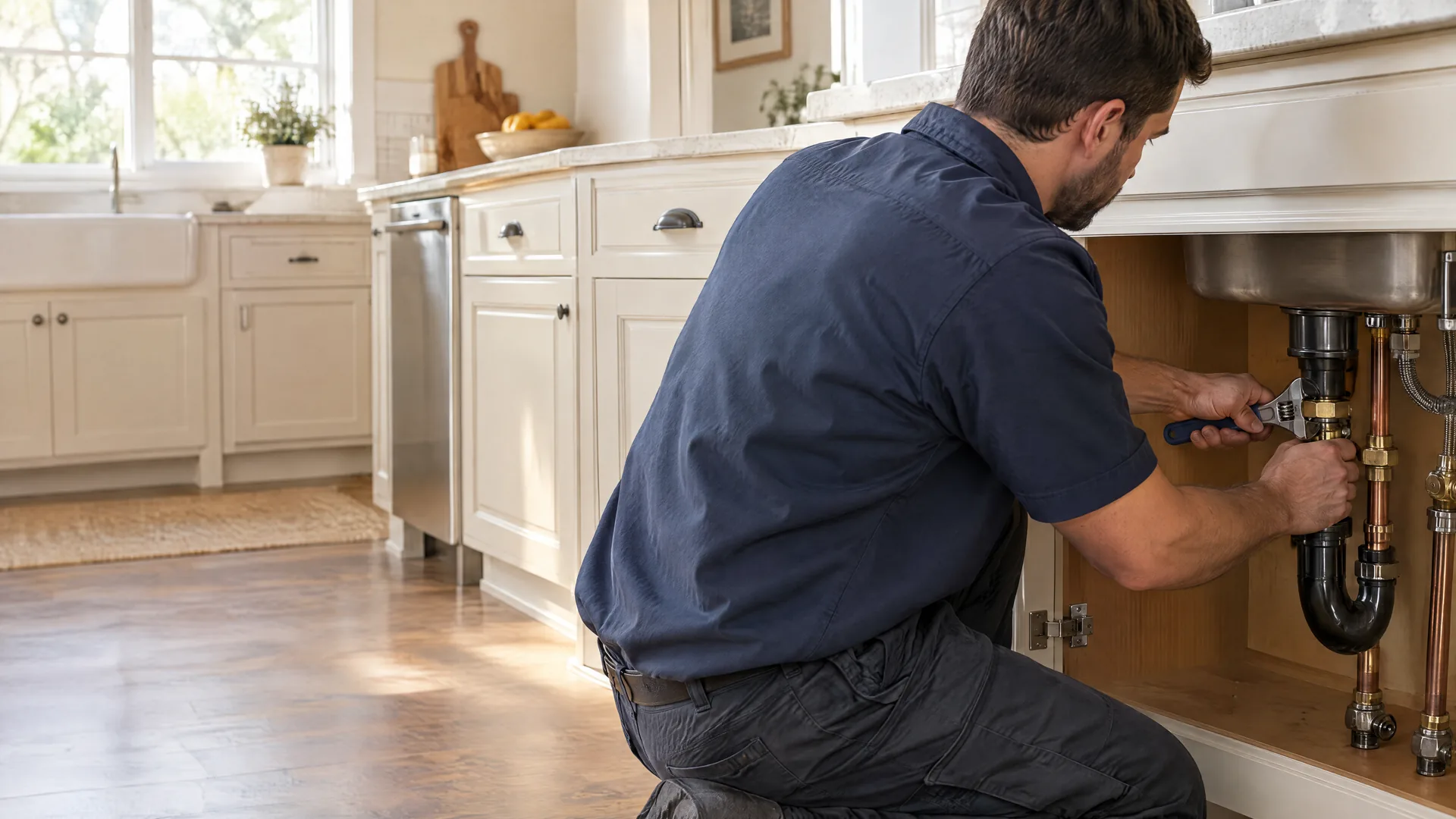
- Inspect visible pipes under sinks and in crawl spaces for signs of moisture or damage
- Know where your main shutoff is — if something goes wrong, fast shutoff limits damage
- Have a plumber check your sewer line if you have mature trees in your yard or haven’t had an inspection in 3 or more years
- Be mindful of what goes down the garbage disposal — summer food waste is a major culprit for disposal failures
The best time to schedule a summer plumbing check in Hallettsville is May or early June — before the busiest season, when scheduling is easier and small problems haven’t had a chance to become big ones.
FAQ
Q: How do I know if I have a slab leak under my house?
A: The most common signs are warm or wet spots on the floor, the sound of running water when nothing is on, unexplained increases in your water bill, and cracks in flooring or interior walls. A plumber can use electronic leak detection equipment to locate a slab leak precisely without tearing up the floor.
Q: Is it normal for my water bill to go up in summer?
A: Some increase is normal if you’re watering a lawn or garden more. But a spike of 20% or more without a clear explanation is worth investigating — it often points to an irrigation line leak, a running toilet, or in worse cases, a slab leak. Call us and we can help you track down the source.
Q: Can I run my sprinkler system on a timer while I’m on vacation?
A: Yes, but check the system thoroughly before you leave. A leak that runs undetected for a week can cause significant water waste and yard damage. Make sure someone can check the property periodically, and consider a smart controller that alerts you to abnormal water usage.
Q: What’s the best way to prevent tree roots from damaging my sewer line?
A: Regular inspections are the most reliable prevention — a camera inspection every 2 to 3 years lets you catch root infiltration early. You can also use copper sulfate root-inhibiting products in cleanouts to slow root growth toward the line. For persistent problems, re-lining the pipe with epoxy creates a root-resistant barrier inside the existing pipe without full replacement.
Don’t wait for a summer plumbing crisis. Contact Hallettsville Plumbing to schedule a summer plumbing check-up before the heat peaks. A quick inspection now can save you from a major repair bill in the middle of August.